Natural Environment & Climate Change
JAHAMA NATURE RESTORATION
PROTECT. RESTORE. INSPIRE.
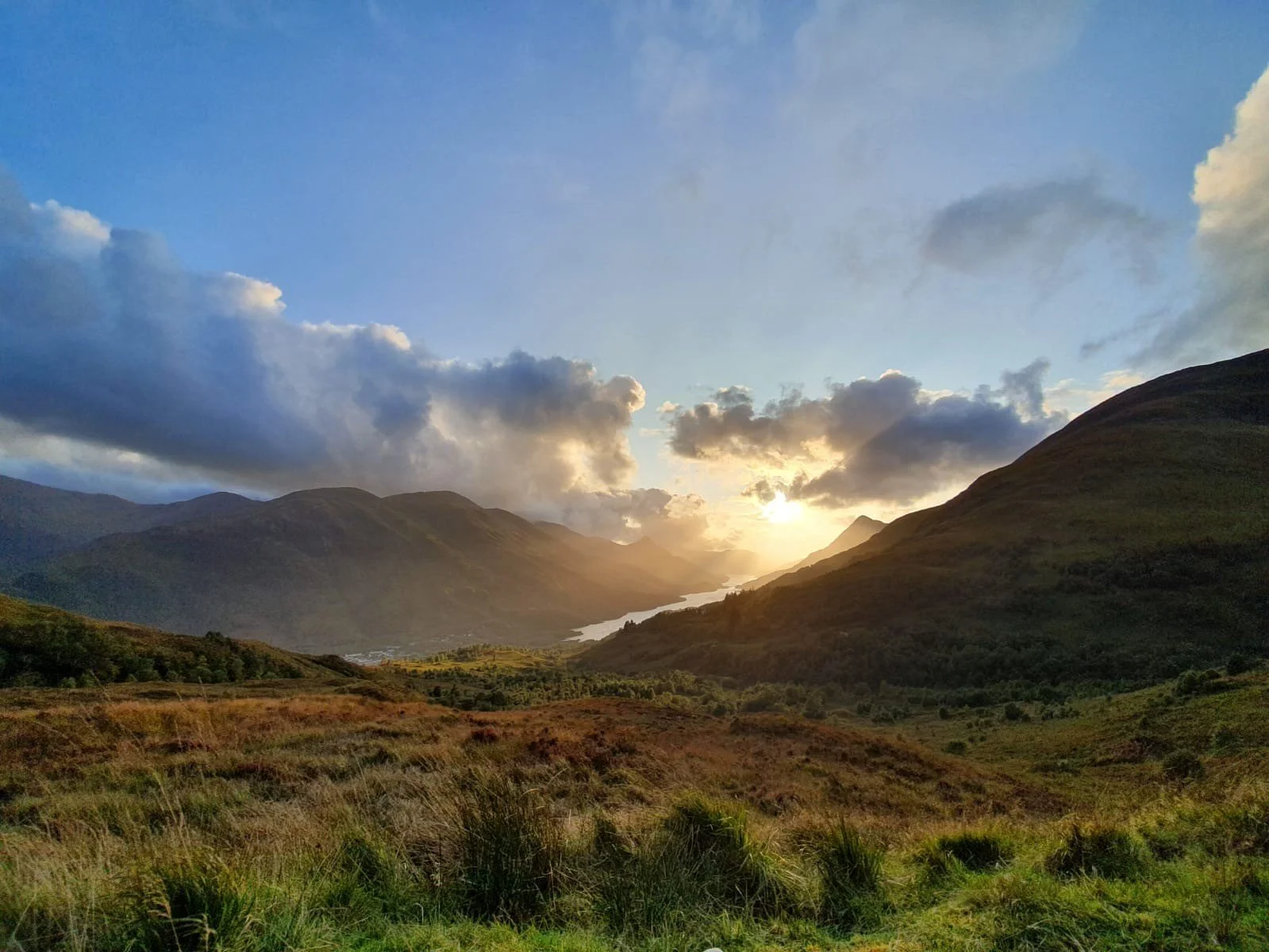
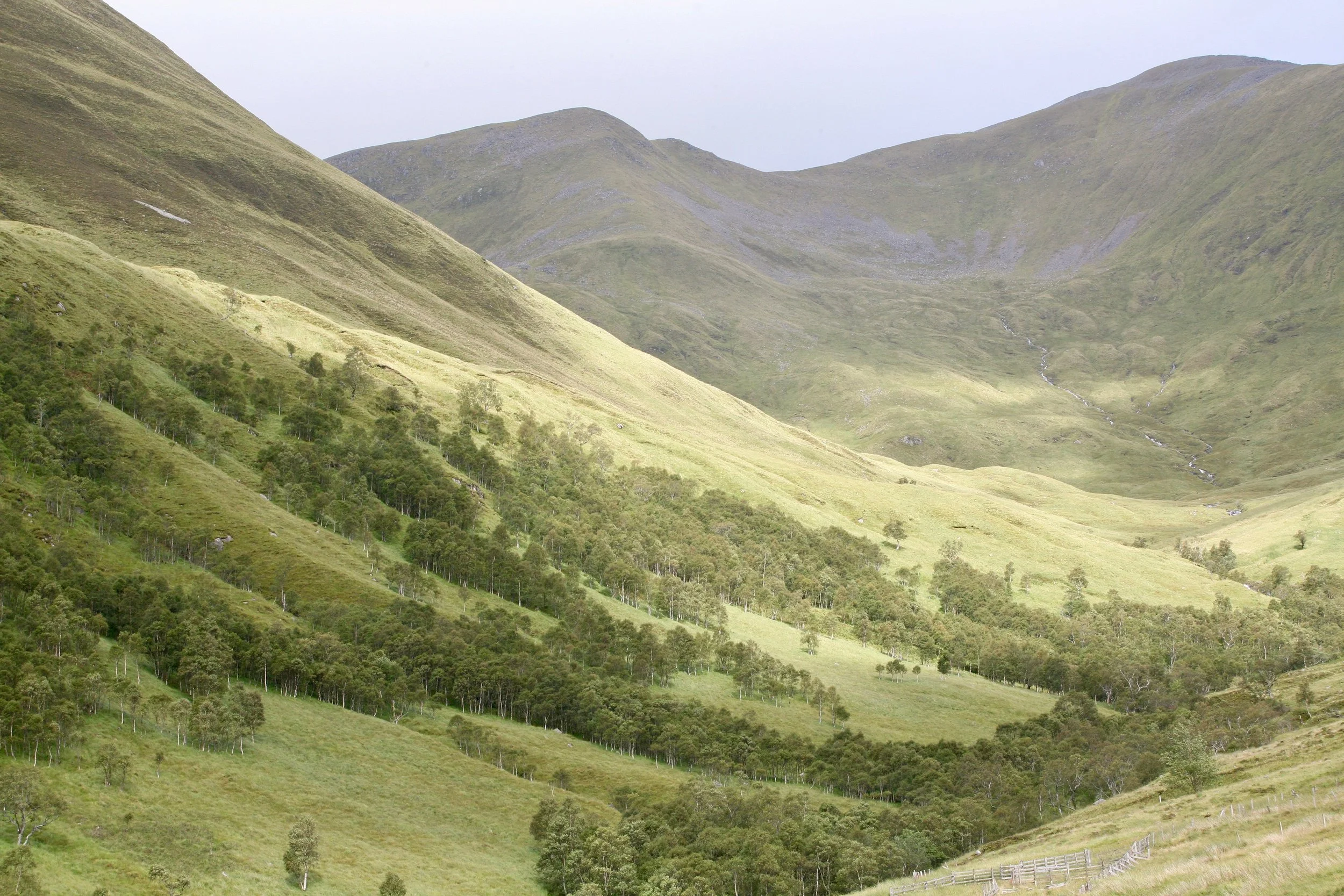
JAHAMA Highland Estates’ Mamore and Killiechonate Native Woodland Restoration Project covers approximately 32,000 hectares of Scotland’s West Highlands. One of the largest native woodland regeneration schemes in Scotland and the UK, it will restore habitats, improve biodiversity and strengthen the landscape’s resilience to climate change.
The project will improve soil and water quality, support carbon storage and help safeguard water supplies for hydropower. It will also enhance opportunities for recreation, education and well being, delivering lasting benefits for local communities and businesses while maintaining agriculture.
Why Restoration Matters Ben Nevis and the surrounding landscape are recognised for their exceptional natural and cultural importance through designations including the Ben Nevis Site of Special Scientific Interest (SSSI), Special Area of Conservation (SAC) and Lochaber Special Landscape Area. These areas support rare plants, wildlife and important upland habitats, while attracting visitors from around the world. However, NatureScot’s 2021 site condition monitoring report found that all woodland assessed within the Ben Nevis SSSI was in unfavourable condition.
With much of the SSSI within its landholdings, JAHAMA Highland Estates is undertaking an ambitious restoration programme, building on earlier woodland restoration around Loch Leven and collaboration with neighbours and local organisations.
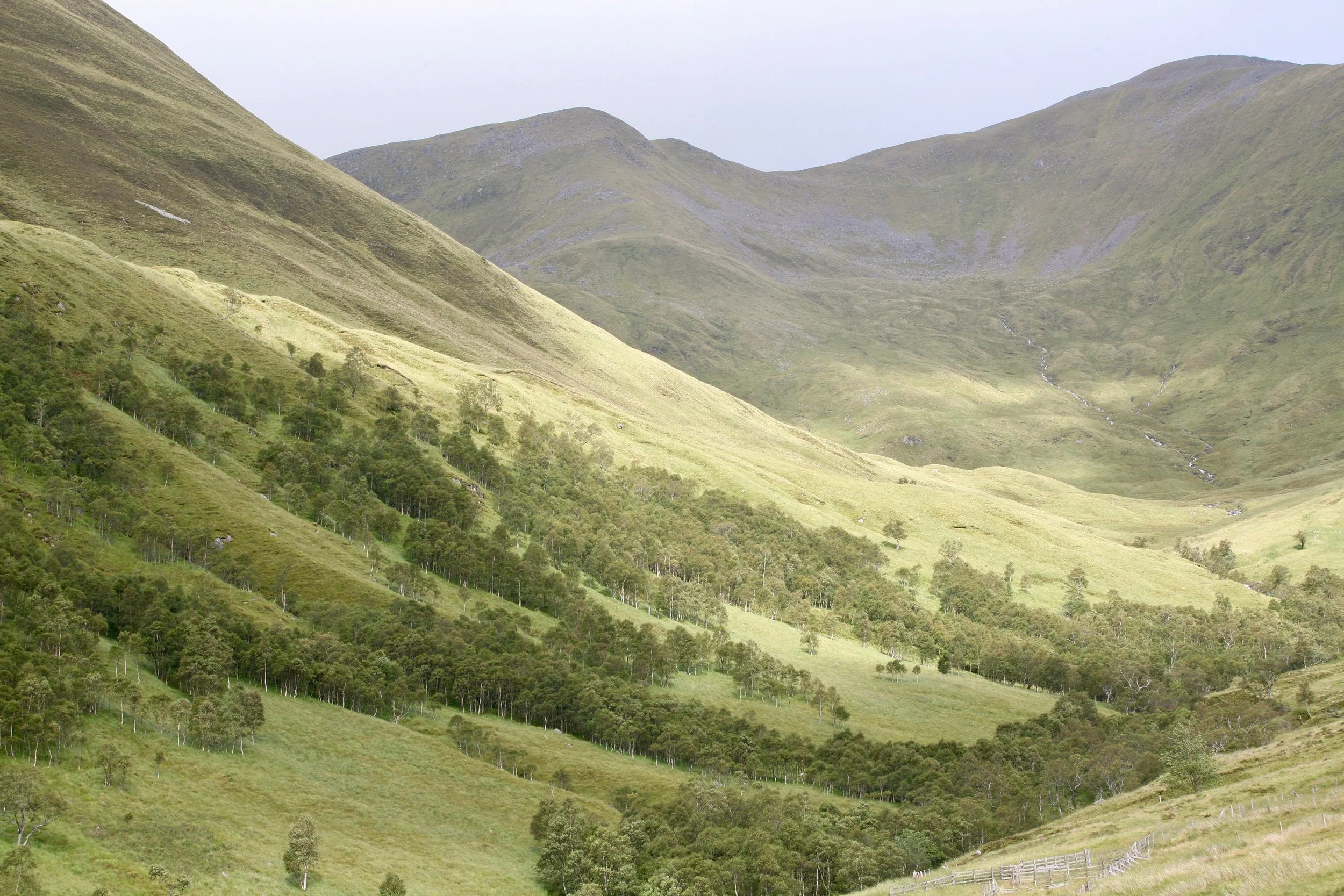
Our Approach The project will encourage natural regeneration of existing native woodland, surrounding buffer zones and montane scrub by reducing deer numbers and managing where sheep graze. Woodland regeneration will be achieved without deer fencing, although stock fencing will help contain sheep within agricultural areas.
Reducing grazing pressure will also allow heathland to recover and connect woodland habitats, helping plants and wildlife spread. As vegetation recovers, it is expected to increase carbon storage and slow rainfall runoff, benefiting hydropower operations and downstream fisheries.
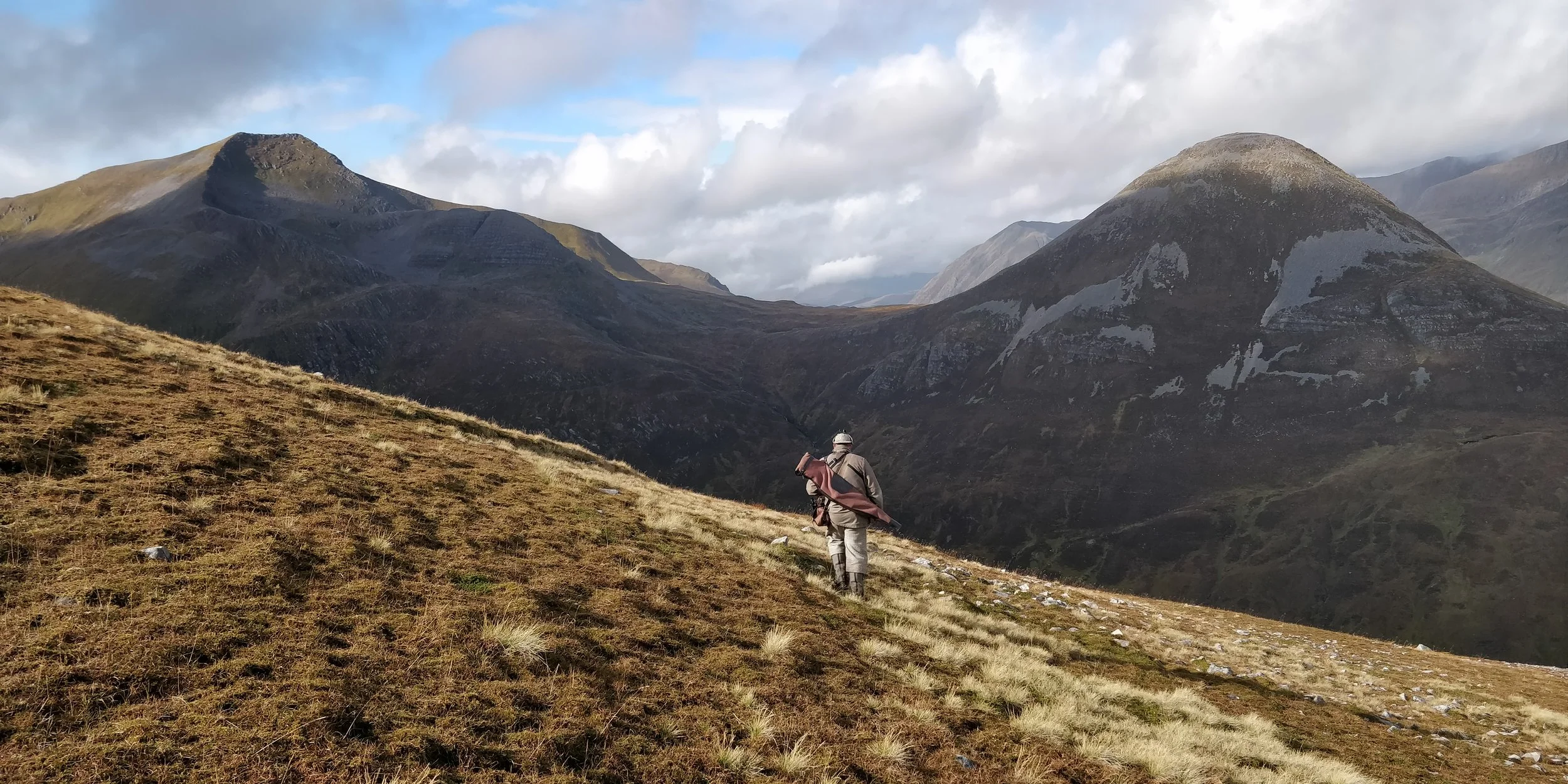
Woodland expansion will complement the landscape’s character. Farming will continue within the wider estate, alongside recreational deer stalking at substantially lower deer densities.
Restoration Objectives JAHAMA Highland Estates will:
Restore existing woodland: Improve the structure, age range and species diversity of 1,701 hectares of native woodland and remnants through deer and livestock management.
Expand native woodland: Encourage regeneration within buffer zones extending up to 300 metres from existing woodland, with significant regeneration expected across 4,500 hectares by year 10.
Reduce deer numbers: Progressively lower summer deer densities to approximately 1.5 deer per square kilometre, within a target range of 1–2, between autumn 2026 and summer 2031.
Improve designated habitats: Achieve or maintain favourable condition within 10 years of implementing the woodland and deer management plans, while protecting the landscape’s special qualities.
Manage sheep grazing: Install strategic stock fencing at Killiechonate North, retain lower-lying fenced fields for livestock and remove sheep from seasonal hill grazings in autumn 2026.
Control invasive and non-native plants: Limit the spread and impacts of Rhododendron ponticum and manage non-native conifer regeneration with neighbours and local organisations.
Maintain public access: Keep responsible public access open throughout the year, subject to temporary safety restrictions for organised events.
JAHAMA Restoration Film - Created by Aeon Creative.